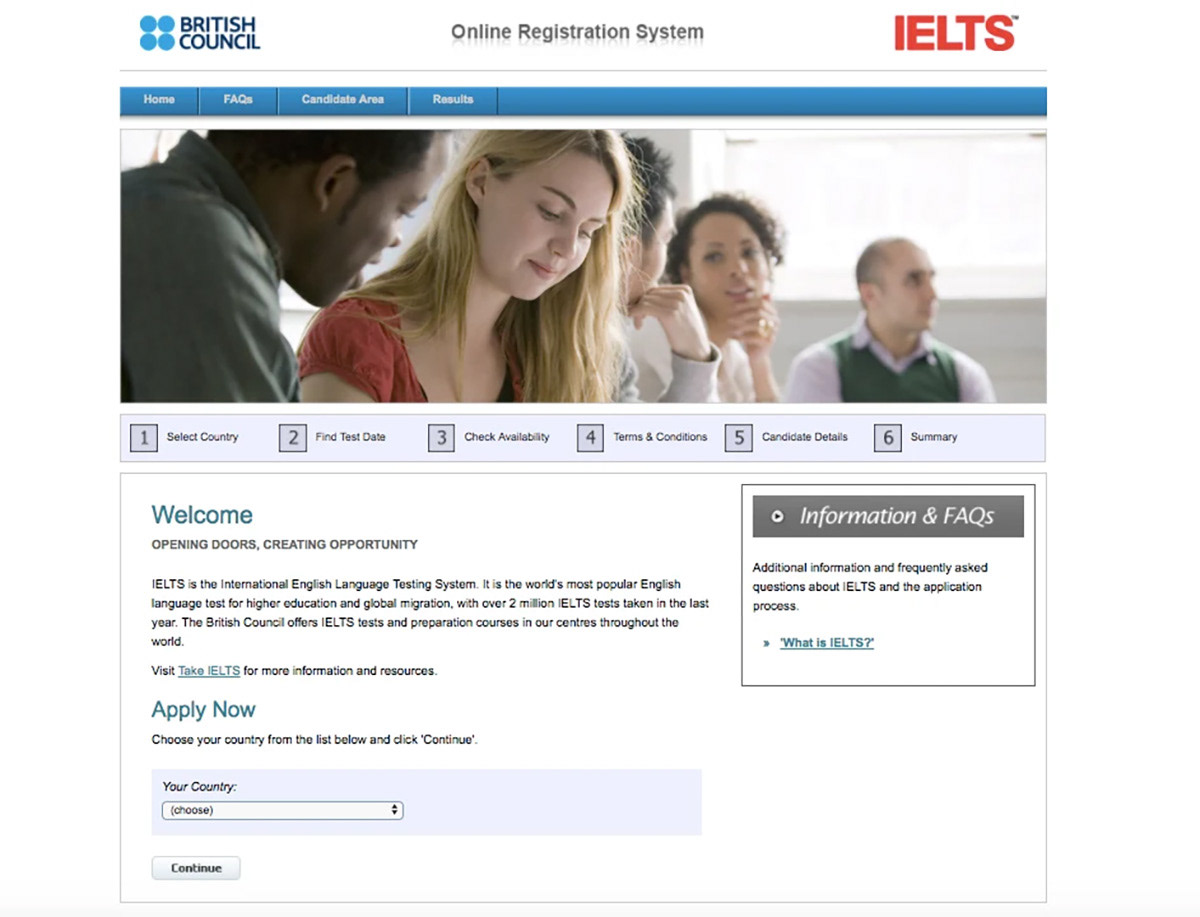
Original web journey have a high drop off rate
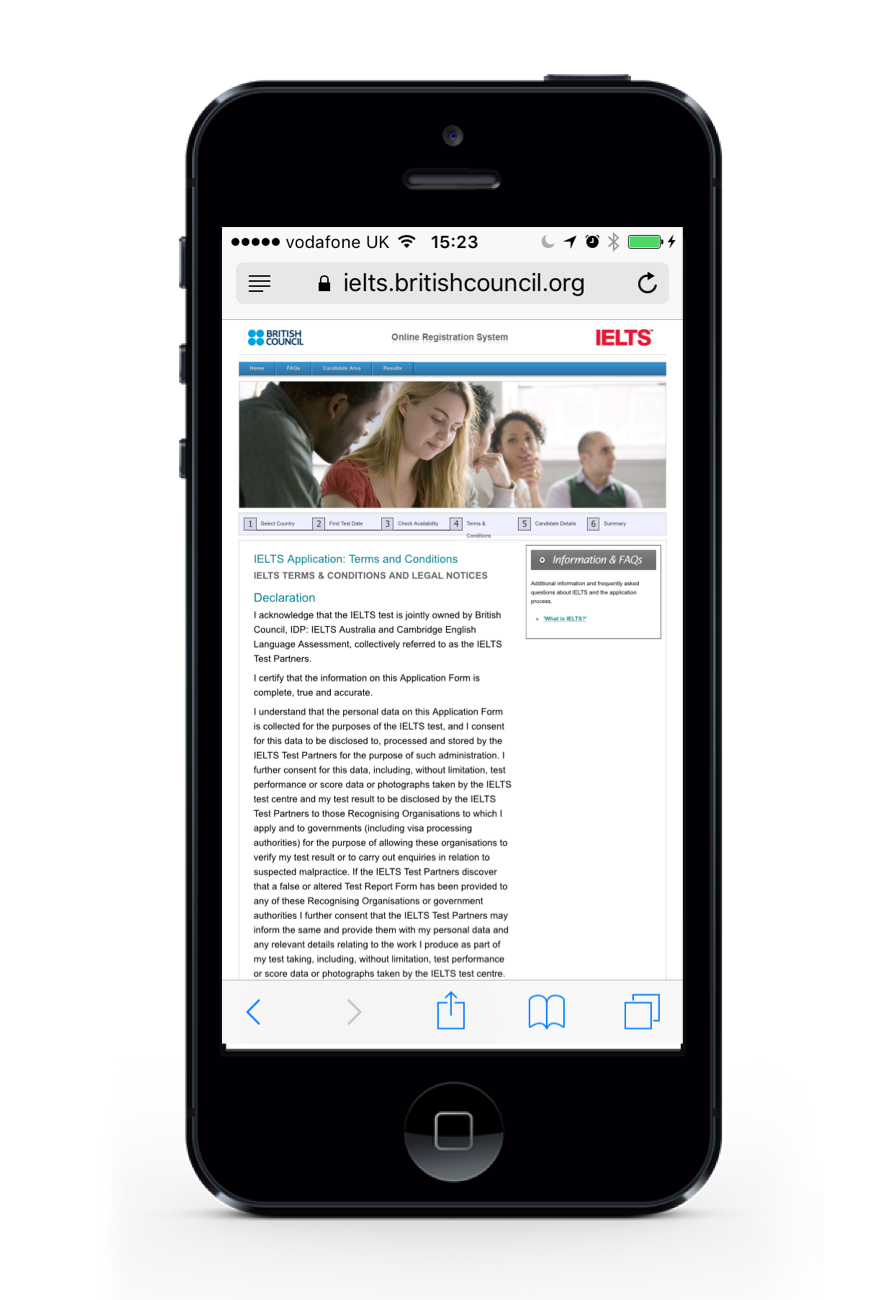
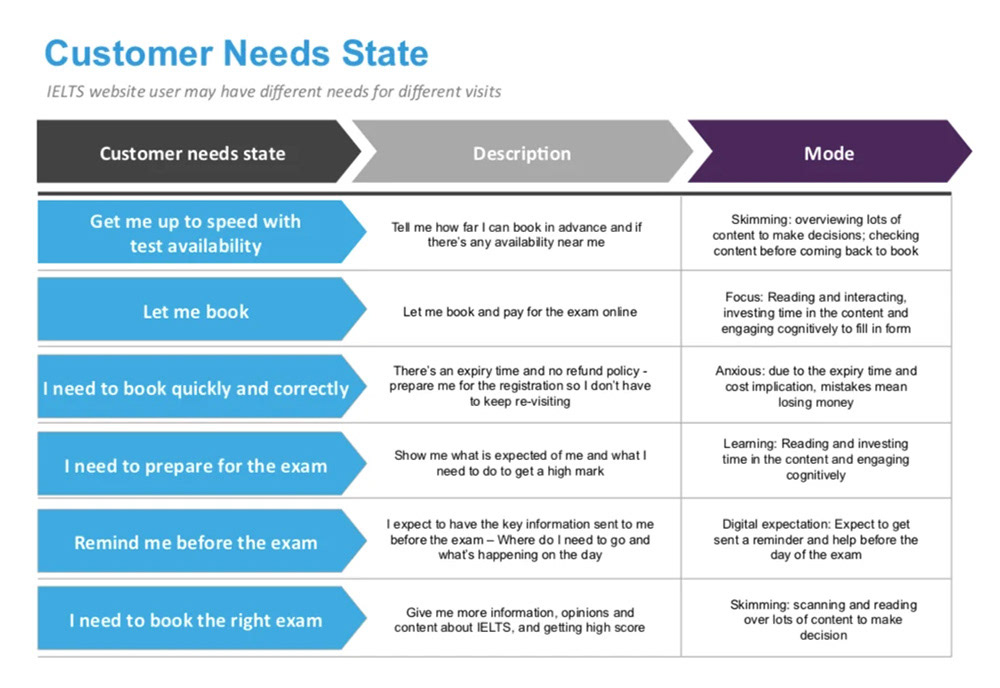
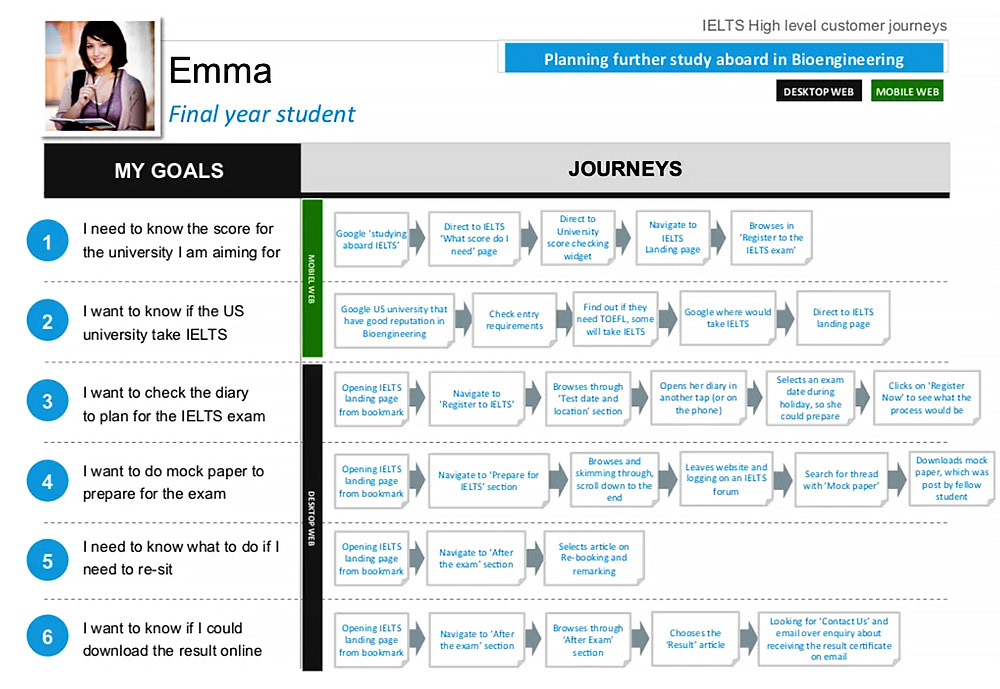
The original website is not mobile responsive, and it does not match our target user needs
Case Study: Redesigning the IELTS Online Registration System (ORS)
Client: British Council
Role: Lead UX Researcher
Type: #InternationalUserResearch #FullProjectCycle
Project Duration: 2016–2018
URL: ieltsregistration.britishcouncil.org
Role: Lead UX Researcher
Type: #InternationalUserResearch #FullProjectCycle
Project Duration: 2016–2018
URL: ieltsregistration.britishcouncil.org
UX Skills: International User Research, Testing Hypothesis, Stakeholder Management, Workshop, Prototype, User Testing and Report
Background
IELTS is the world’s leading English language proficiency test, taken by over 3 million people annually for education, migration, and work. As a major product and revenue stream for the British Council, its digital experience plays a critical role in global user engagement.
The Online Registration System (ORS) is the primary channel for test booking. However, before the redesign, the platform suffered from significant UX issues—particularly for users in international markets.
The Challenge
• The registration journey was confusing, unresponsive, and inconsistent across devices, leading to high drop-off rates.
• A large volume of users contacted customer service to complete or correct registrations, indicating significant usability gaps.
• The existing system did not account for regional differences in payment behaviour, parental involvement, or tech accessibility.
• A redesign required strong, evidence-based justification to secure funding and stakeholder alignment.
My Approach
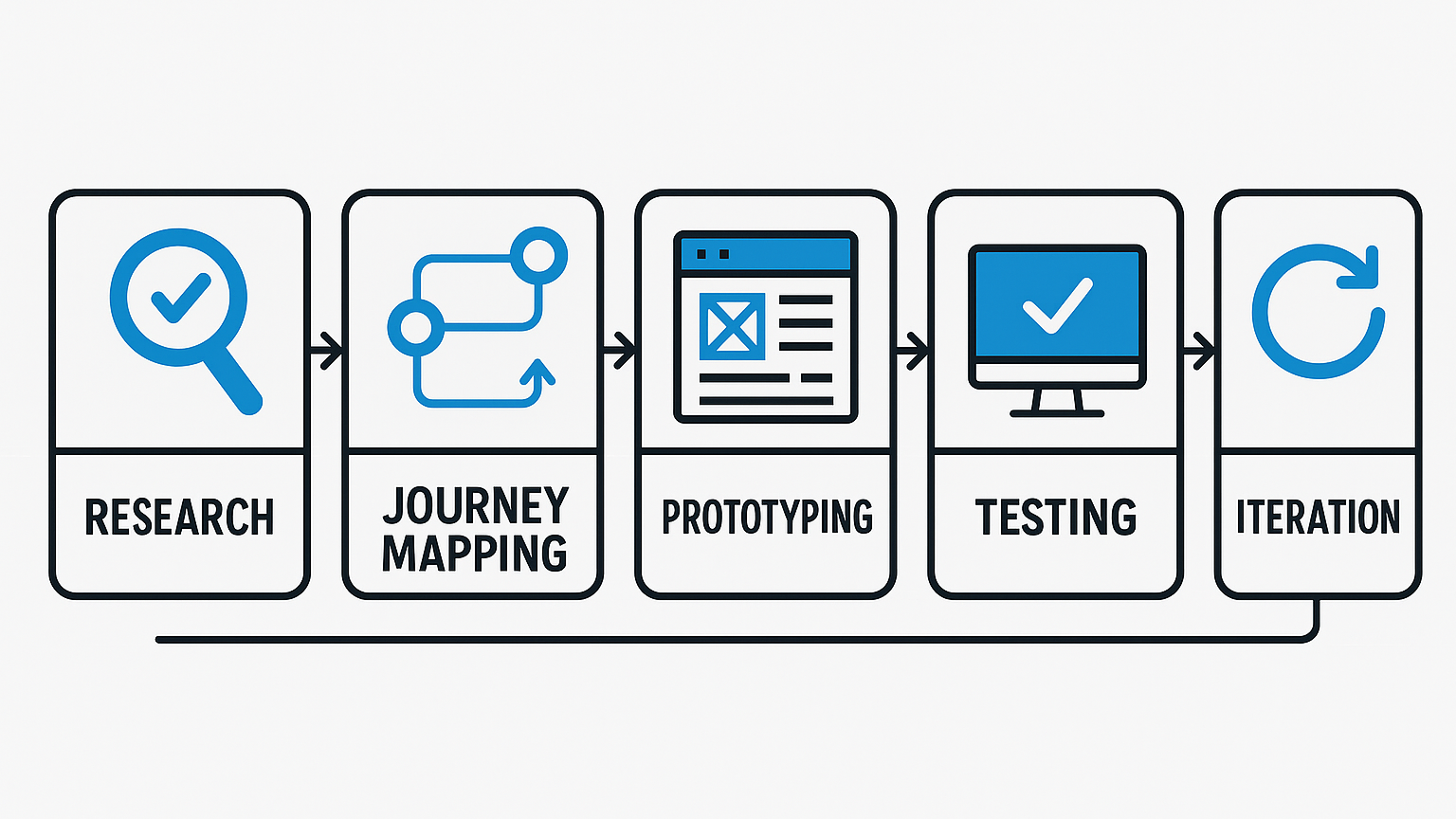
I led a global UX research initiative to uncover core pain points and guide the redesign with data-driven insights.

Ethnographic research in Hong Kong
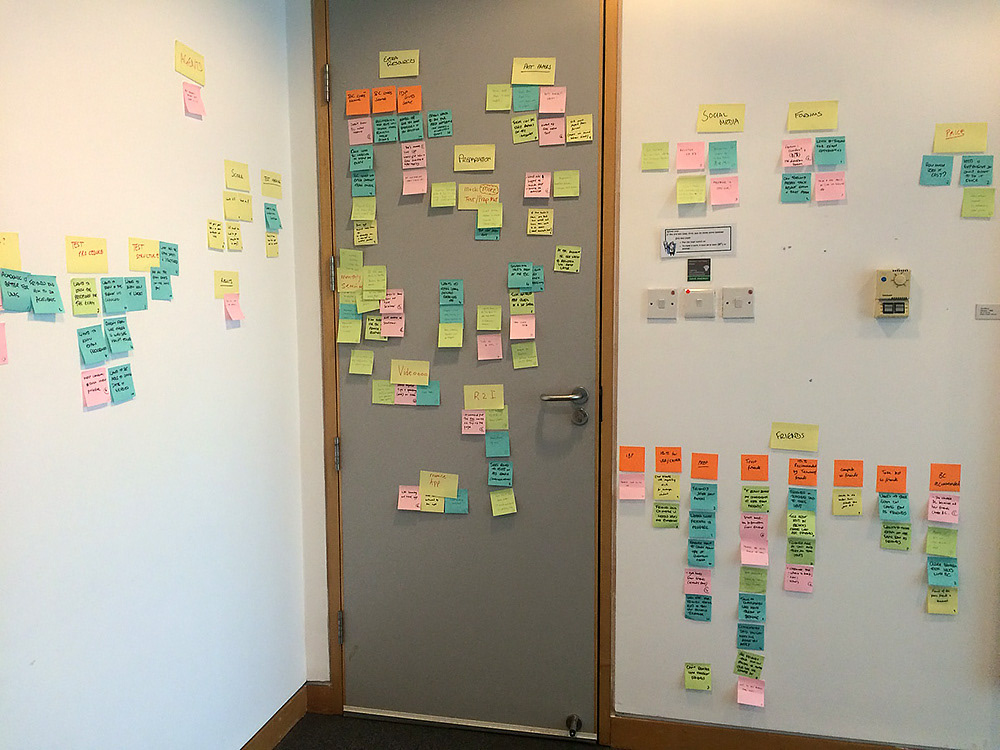
Workshopping in Hong Kong with stakeholders to understand localised user needs and challenges
International User Research
• Joining the local team to conduct Formative research in Hong Kong included in-depth ethnographic observation and card sorting to understand user mental models.
• Led a team of three to Dubai for summative usability testing, focusing on concept validation and journey improvements.
• Ran impression testing on early design concepts and explored how users interpreted registration steps across languages and contexts.
• Identified common pain points and cultural differences in interaction patterns—ensuring solutions would be adaptable at a global scale.
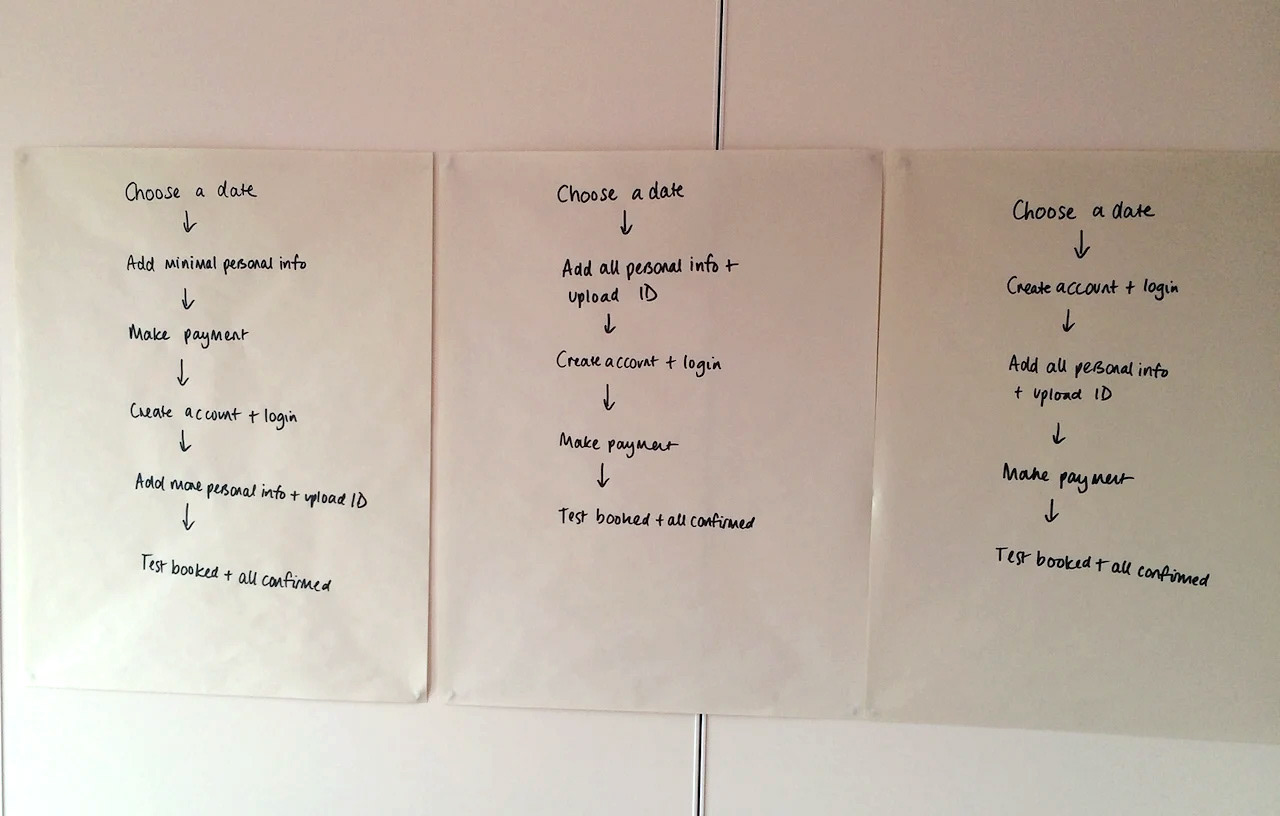
We tested three hypotheses to determine the best user flow for booking an IELTS Test
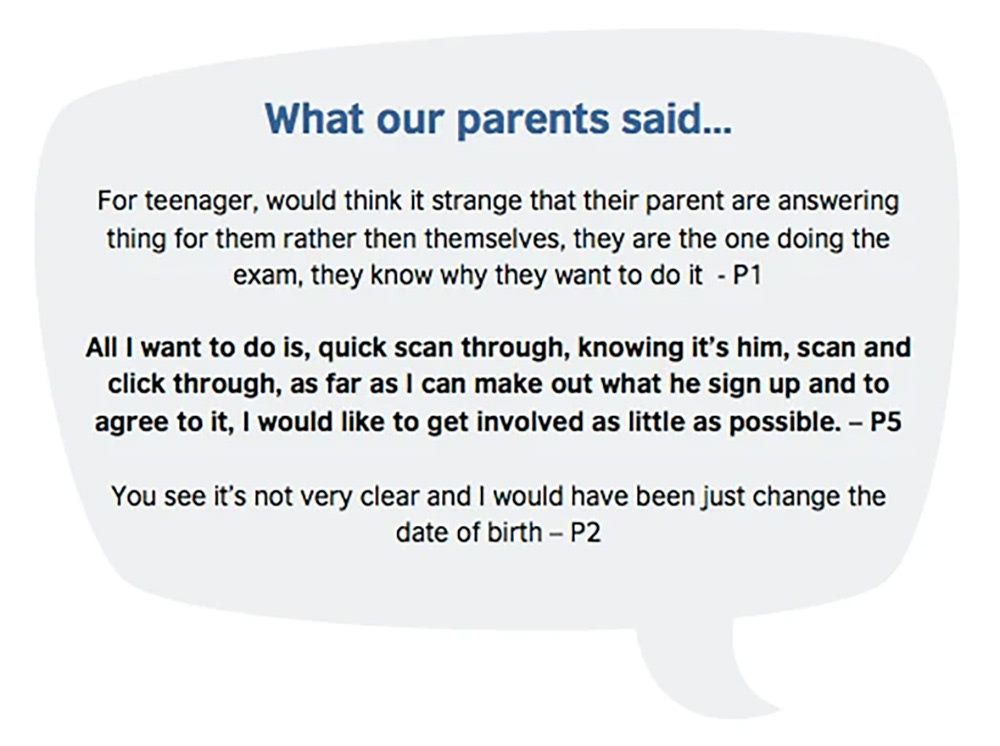
During the test, we gathered the feedback from parents as well as the students who would be taking the test
Business & Stakeholder Engagement
• Delivered a comprehensive UX audit (Expert review) and opportunity analysis, which was presented to the Digital Director.
• This work supported a successful business case for investment, helping secure funding to proceed with a full redesign.
• Collaborated with cross-functional stakeholders across product, legal, and IT to shape viable, scalable solutions.
Outcomes
Informed the design of the new ORS, which launched in pilot markets in February 2018 with a significantly improved user experience.
Research influenced the consideration of core features, such as localised payment options, child-parent proxy flows, and mobile responsiveness.
Helped reduce reliance on customer support by improving self-service clarity and reducing cognitive load.
The project established UX research as a strategic driver within British Council digital teams, laying a foundation for future improvements across other global products.
Impact
✔ A global research approach that accounted for cultural, technical, and behavioural differences
✔ Real-world insights that translated into measurable design improvements and reduced support costs
✔ Reduced drop-off rate, big push to incorporate and improve localisation registration
✔ Positioned UX as a core component of product strategy at an international scale
✔ Real-world insights that translated into measurable design improvements and reduced support costs
✔ Reduced drop-off rate, big push to incorporate and improve localisation registration
✔ Positioned UX as a core component of product strategy at an international scale
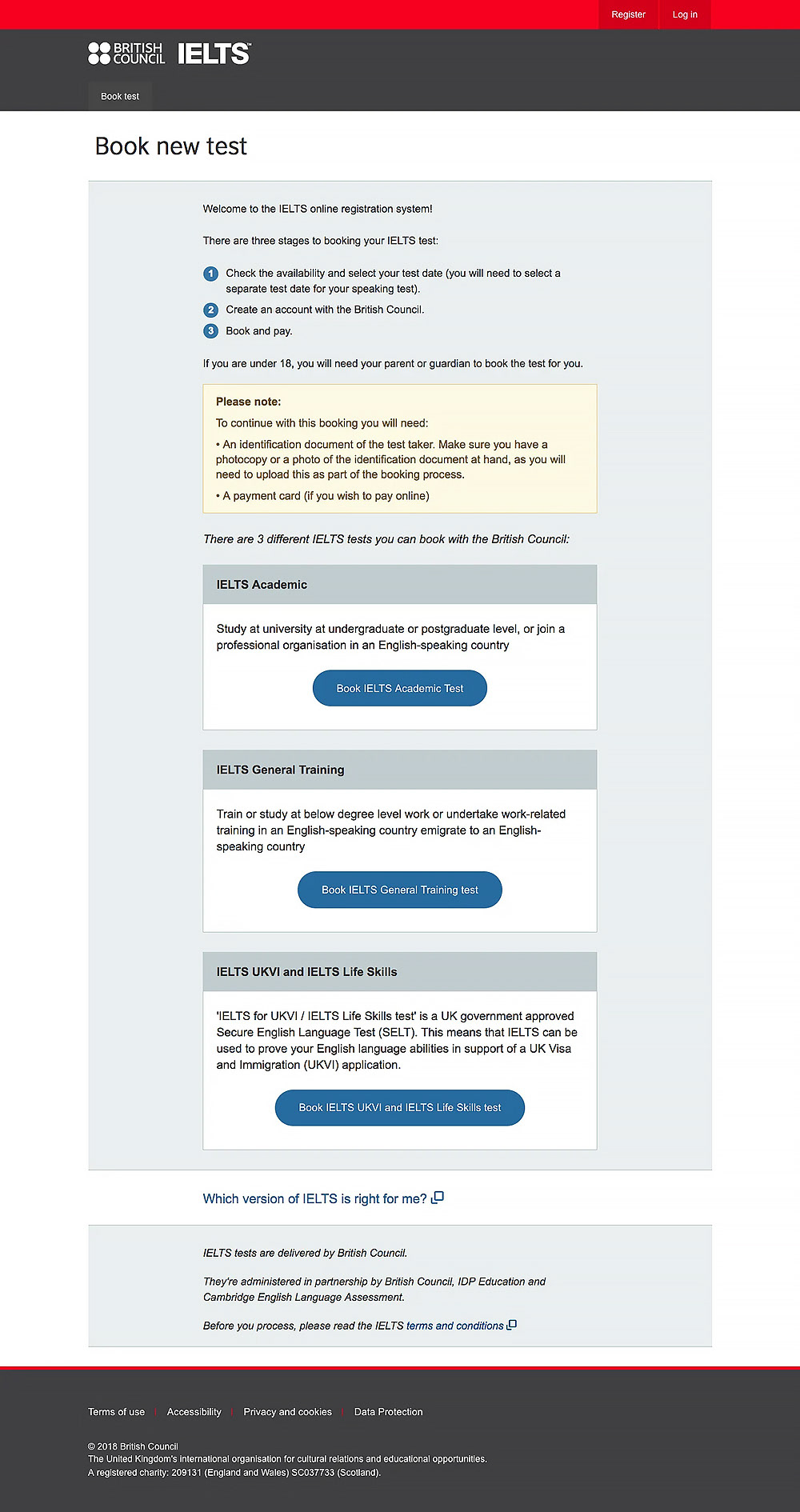
Our final design proposal includes a lot more information up front, to prepare the user from dropping off